
How it works
How Border Scan reads a whole bed.
By Gardn Labs Limited · 21 May 2026 · 5 min read
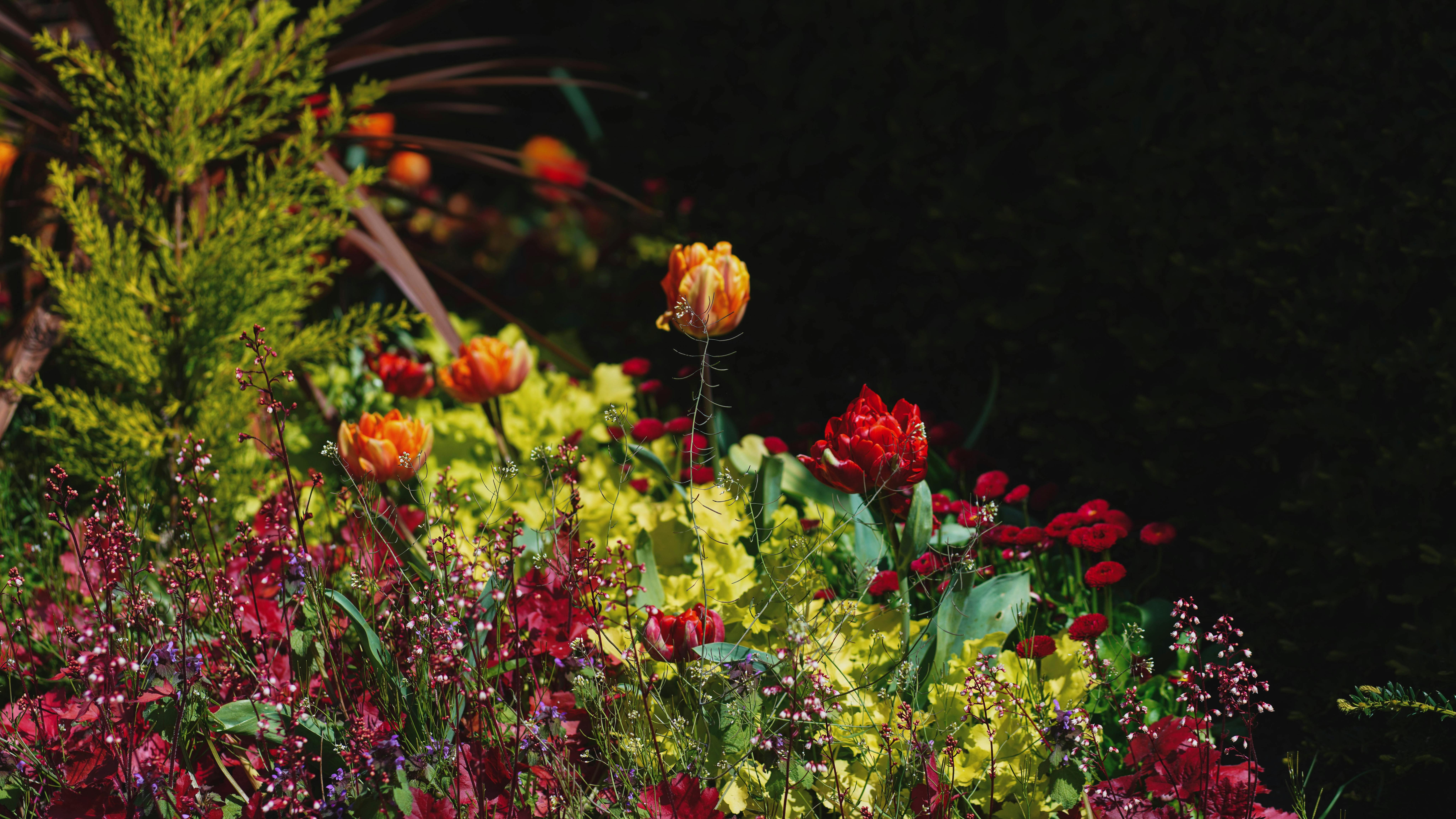
Most plant-identification tools want one plant, centred, in good light. A real border is nothing like that — it’s twenty plants leaning into each other. Border Scan is built for the border, not the specimen.
It reads continuously, not one shot at a time.
When you hold up your phone and pan slowly along a bed, Border Scan isn’t taking a single photo and guessing. It’s reading a stream of frames, picking out distinct plants as they come into view, and holding onto each one as you move past. By the end of the pan you’ve got a list, not a single answer.
That’s why the instruction is always the same: slow down. A steady walking pace gives it the overlap it needs to tell one plant from its neighbour.
Every plant lands somewhere.
A name on its own isn’t much use. As Border Scan identifies a plant, it places it against the garden plan you’ve drawn — this fern in the north bed, that dahlia in the west border. From then on, advice about that plant knows where it lives, what’s around it, and how much sun the spot gets.
The first scan is the slowest. After that, the garden is mostly already known.
It gets sharper the more it knows.
Identification is confident, not infallible — and when it misreads something, you correct it once. That correction sticks, and it feeds the picture Gardn holds of your whole garden. A bed you scanned in spring is easier to recognise in autumn, because Gardn already knows what should be there.
And it’s free.
Border Scan is the front door to the app, so it stays free. Walk the beds once, and the rest of Gardn — the weekly plan, the health checks, the alerts — has something real to work from.